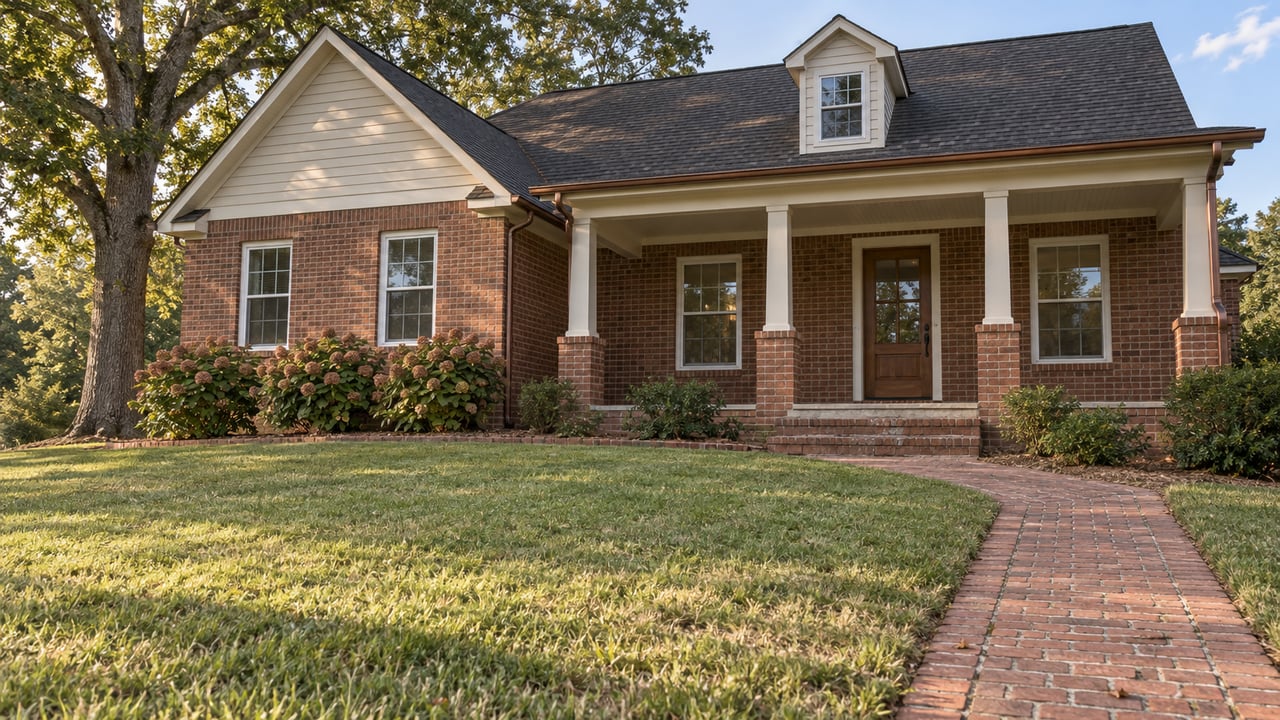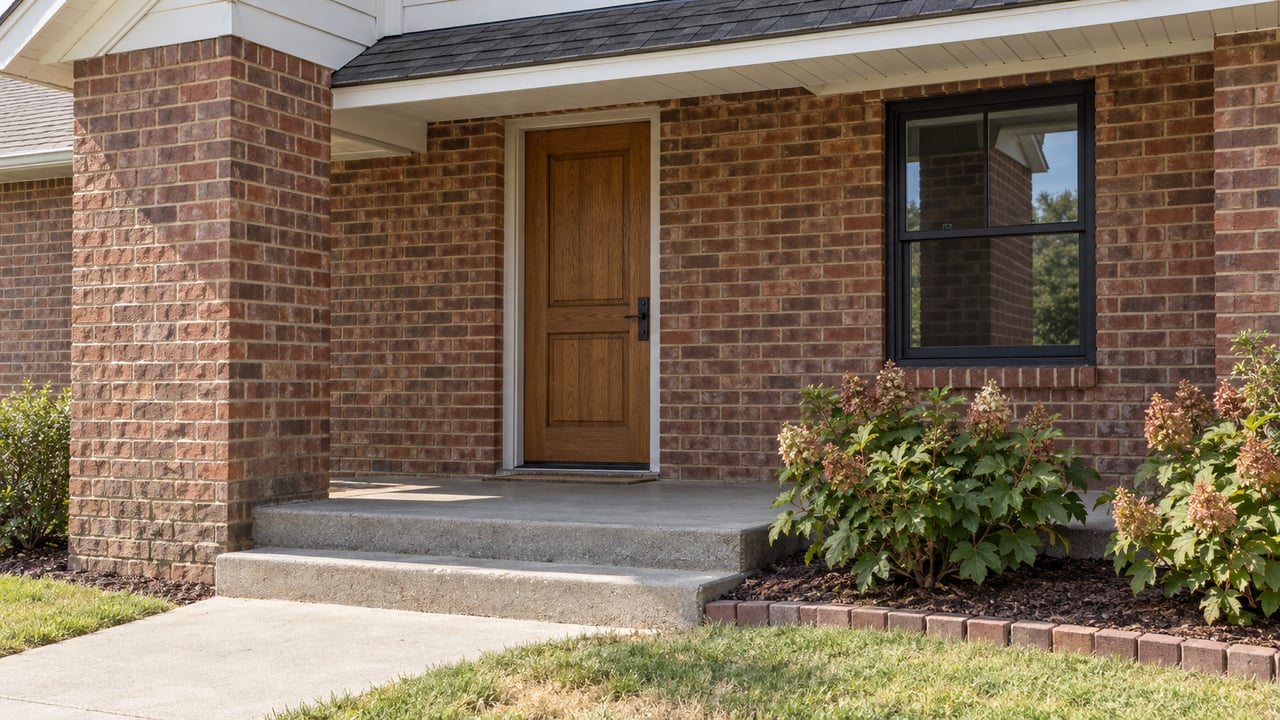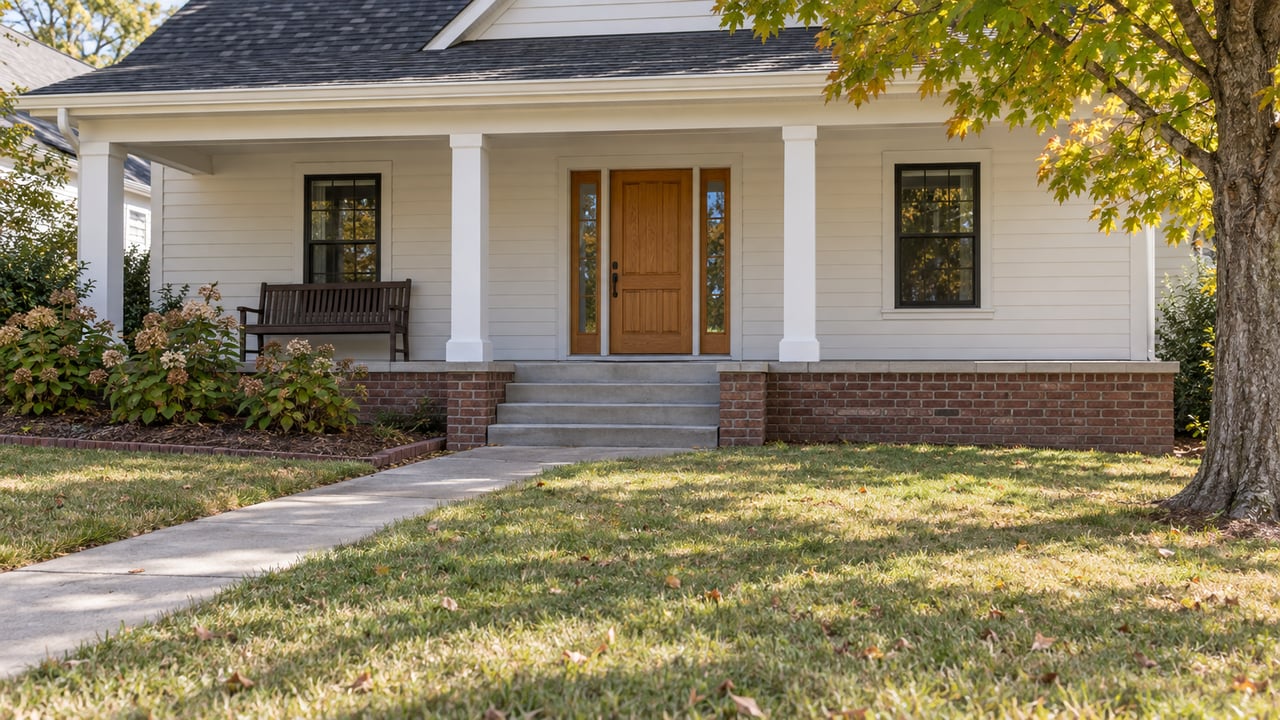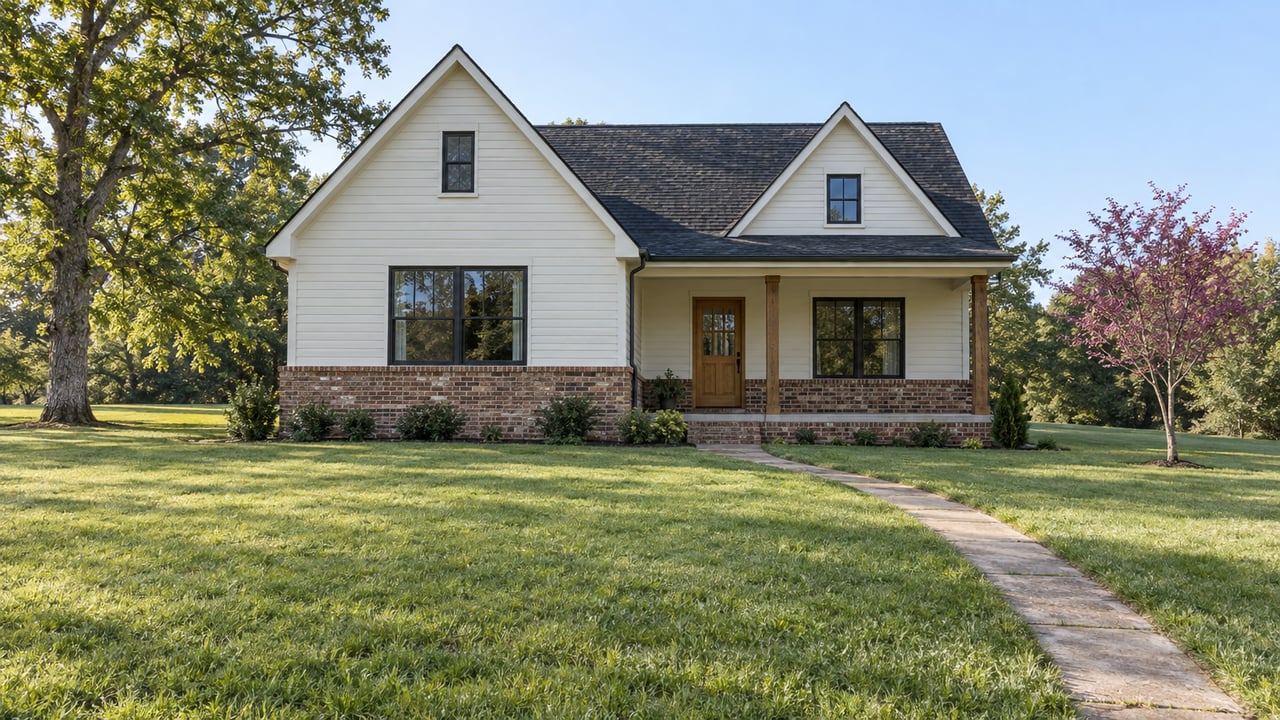
Search for a home price in Cedar Bluff, Alabama, and you will not get an answer. You will get four.
Zillow's home value index puts the average Cedar Bluff home at $246,680 as of its May 2026 update, down 0.6 percent from a year earlier. Movoto's July 2026 tracking shows a median list price of $499,000. A Valley MLS market page puts the median home value at $360,000, well above the Cherokee County median of $163,250. And Redfin's waterfront-specific listings, 97 homes currently on the market along Weiss Lake, carry a median list price of $400,000.
Four sources, four numbers, all live in the same nine-month window, none of them wrong. That is not a data quality problem. It is a description problem. Cedar Bluff is being treated as one housing market when it is functionally two, stitched together under a single zip code, and each website is quietly measuring a different mix of the two.
Two Markets, One Address
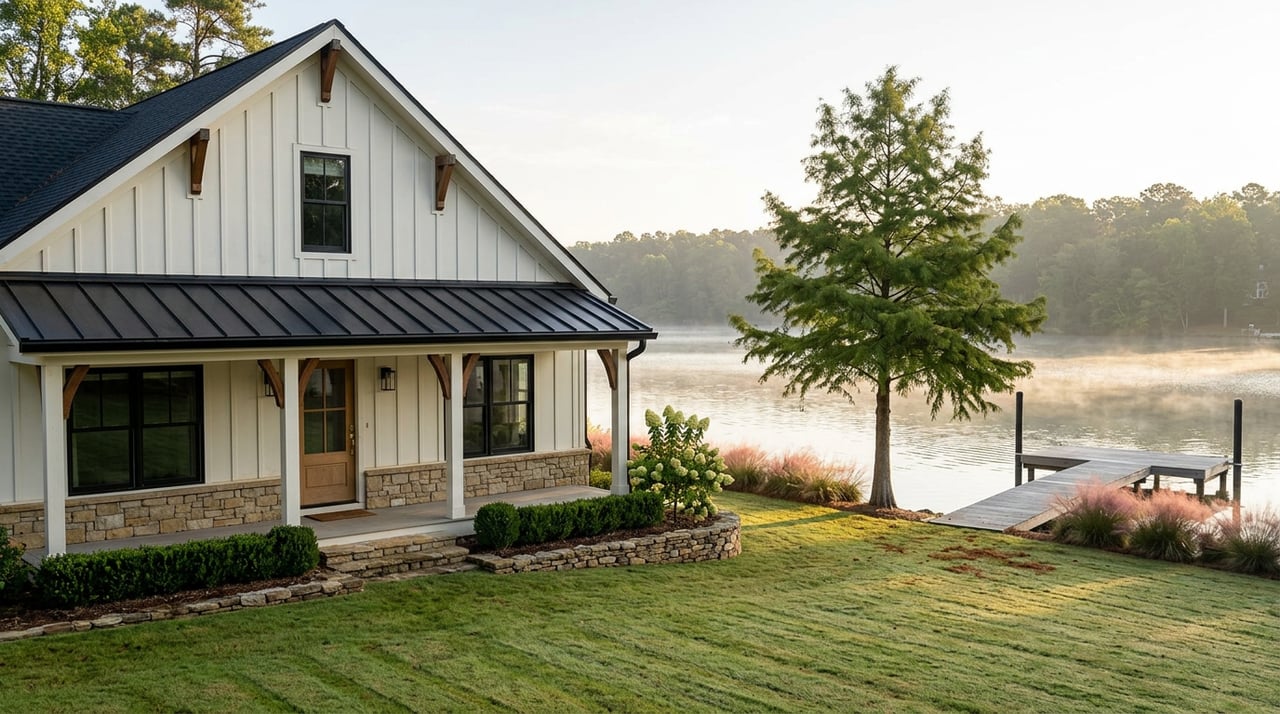
The split runs along the shoreline. On one side sits a small, mostly rural, mostly full-time community built around County Road addresses, modest lots, and long-owned family land. On the other side sits Weiss Lake, a 30,200-acre reservoir with roughly 447 miles of shoreline that draws second-home buyers from Georgia, Tennessee, and across the Southeast looking for a weekend retreat or a retirement lake house.
The clearest evidence of that split shows up in occupancy, not price. Valley MLS data for Cedar Bluff shows roughly 43 percent of homes owner-occupied, 20 percent rented, and 37 percent sitting vacant. A vacancy share that high does not happen in a typical bedroom community. It happens in a town where a large share of the housing stock exists to be visited a few weekends a month rather than lived in every day.
That single fact explains almost everything else in the confusing price data. When more than a third of your housing stock is seasonal, a "median home price" depends entirely on whether the sample you're looking at happens to catch a run of lake houses or a run of inland properties. In a market with hundreds of thousands of transactions a year, that noise washes out. In a market where Redfin counts 97 active waterfront listings and Movoto counts 257 total active listings townwide, waterfront alone makes up close to 40 percent of what's for sale at any given moment. A handful of high-end lake listings coming on or off the market can swing a median by tens of thousands of dollars within a single reporting month.
What Each Number Is Actually Counting
| Source | Figure | Window | What it's really measuring |
|---|---|---|---|
| Zillow (ZHVI) | $246,680 average value | Updated May 2026 | A smoothed, modeled estimate across all homes, weighted toward the larger inland stock |
| Movoto | $499,000 median list price | July 2026 | Asking prices on whatever happens to be actively listed that month, waterfront-heavy |
| Valley MLS | $360,000 median value | Current | A blended figure across sold and listed homes, land and structures together |
| Redfin (waterfront filter) | $400,000 median list price | Current, 97 listings | Only homes tagged waterfront, a self-selected luxury-leaning slice |
None of these are lying to you. They're each answering a slightly different question, and none of them tell you which question matches the house you're actually considering.
The Acre That Costs $9,868 and the Acre That Costs $2.3 Million
The same distortion shows up even more sharply in land. A recent Cedar Bluff land sale closed at $9,868 per acre for a 3.04-acre tract, a fairly typical inland rate for wooded or pasture ground in this part of Cherokee County. Around the same period, a different parcel, a 1,306-square-foot sliver of deeded land tied to a lake lot, sold at a rate that worked out to $2,333,333 per acre.
Both numbers are real. Neither is useful on its own. The second parcel isn't really "land" in the way the first one is. It's a small footprint of Weiss Lake frontage, and buyers aren't paying for acreage, they're paying for shoreline, dock rights, and lake access packed into a tiny lot. Comparing the two on a price-per-acre basis is like comparing the cost per square foot of a walk-in closet to a warehouse. If you're evaluating land in or near Cedar Bluff, the acreage rate only means something once you know whether you're buying room to build or a few feet of water frontage.
Why the 131-Day Wait Isn't a Red Flag
Both Movoto and Redfin flag unusually long market times for Cedar Bluff. Movoto's July 2026 data shows a median of 131 days on market, unchanged from the same month a year earlier. Redfin's narrower waterfront slice runs even longer, at a median of 161 days.
In most Alabama suburbs, a listing sitting for four to five months would suggest a stale price or a property problem. Here it more likely reflects the buyer pool. A high share of Cedar Bluff purchases, especially on the water, are discretionary. Nobody needs a lake house by a certain date the way a relocating family needs a school-zone closing before August. Second-home and retirement buyers shop on their own schedule, often across a full season, sometimes waiting to see the shoreline at both summer and winter pool before committing. That patience shows up in the data as a longer median time on market, not as a weaker market.
Weiss Lake's water levels add a real, physical reason for that patience. Weiss operates as a storage reservoir, not a run-of-river lake, which means Alabama Power manages it on a seasonal curve rather than holding it flat year round. Summer pool sits at roughly 564 feet above sea level. Each fall, the utility begins a scheduled drawdown on October 1 and completes it by November 30, dropping the lake toward a historical winter pool near 558 feet. A buyer touring a shoreline lot in November is looking at several feet less water and more exposed bank than they'll see in July, which is exactly why serious lake buyers often stretch their search across both seasons before making an offer. That's a rational reason for the calendar to stretch, not a sign that something is wrong with the property.
What This Means If You're Comparing Cedar Bluff to Somewhere Else
If you're cross-shopping Cedar Bluff against Centre, Leesburg, or an inland St. Clair County town, the median price on any single site is nearly useless without knowing what it's built from. Before comparing numbers across towns, it helps to ask a short set of questions about any figure you're handed:
- Is this a list price or a sold price, and over what window?
- Does the sample include waterfront listings, inland listings, or both?
- How many total listings make up the figure? A median built from a dozen active homes moves very differently than one built from hundreds of closed sales.
- If it's land, is the price per acre coming from a buildable inland tract or a small waterfront footprint?
A single number can't answer those questions. A conversation about the specific property can.
None of this makes Cedar Bluff a harder place to buy well. It makes it a place where the market rewards someone who reads past the headline figure. A broker who also builds homes and evaluates land day to day looks past the median to the parcel itself: is it waterfront or inland, full-time or seasonal stock, buildable acreage or a lake-access sliver, and what did comparable properties in that exact category actually do over the past several months.
FAQ
Why do different websites show such different Cedar Bluff home prices? Each site pulls from a different slice of the market, some weighted toward waterfront listings, some toward inland sales, and some blending modeled values with actual list or sale prices. In a small town where roughly a third of the housing stock is seasonal or vacant, those differences in sample produce medians that can vary by hundreds of thousands of dollars.
Does the long days-on-market number mean Cedar Bluff is a buyer's market? Not necessarily. A large share of Cedar Bluff transactions are discretionary second-home or retirement purchases, and those buyers often shop across an entire season, including watching how a shoreline lot looks at both summer and winter pool. That patience shows up as a longer median time on market rather than a sign of an oversupplied or weak market.
Should I compare land prices in Cedar Bluff using price per acre? Only within like categories. A price-per-acre comparison works reasonably well between two similar inland tracts. It breaks down completely when one of the parcels is a small waterfront lot, where buyers are paying primarily for shoreline footage and lake access rather than square footage of land.
If you're weighing a move to Cedar Bluff, a lake lot on Weiss Lake, or land anywhere else in East Alabama, Brian Camp can walk through the specific numbers behind a specific property, not just the average. Let's Connect.