Pull two numbers off the same page for Springville right now and they argue with each other. As of January 2026, the median sale price in town sat at $312,000, up a modest 0.6 percent from a year earlier. The same tracker puts the average house price at $338,000, up 9.1 percent year over year, while the price per square foot, the number that tells you what you're actually paying for space, has fallen 7.7 percent over the past year.
Rising median. Rising average. Falling cost per square foot. None of those figures is wrong. They're measuring three different slices of a town that's currently selling two very different kinds of houses at the same time, and if you're comparing Springville to Trussville or Moody or anywhere else using a single headline number, you're missing the part that actually explains what your money buys here.
The Two Numbers That Don't Agree
Redfin's Springville data and Movoto's tell a similar story from slightly different angles. Movoto's June 2026 figures show a median list price of $344,000, flat compared to the year before, with price per square foot at $166, down about 1 percent year over year. That's a gentler version of the same pattern Redfin captured: dollar prices holding steady or climbing, cost per square foot softening.
Two separate trackers, two different months, two different magnitudes, and they still land on the same direction. Springville buyers are paying more in total dollars but less per square foot than they were a year ago. That only makes sense if the average home changing hands got bigger. It did.
What's Actually Selling: A Wave of New Subdivisions
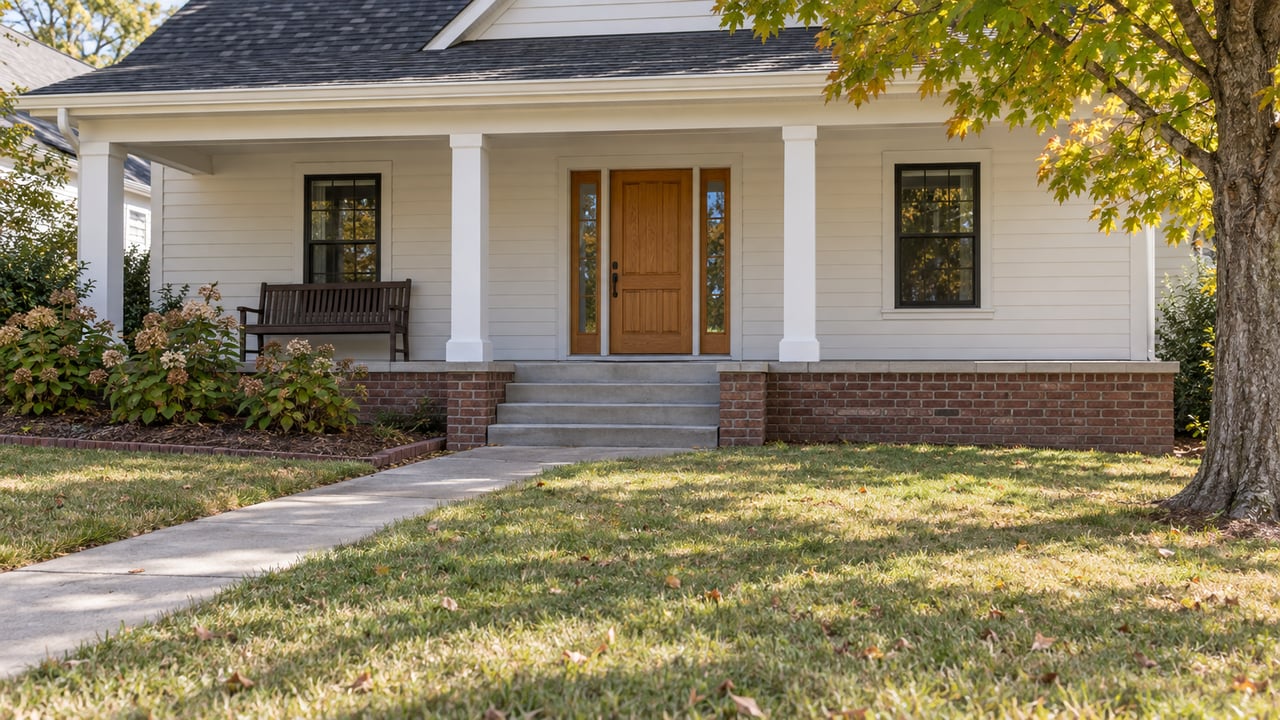
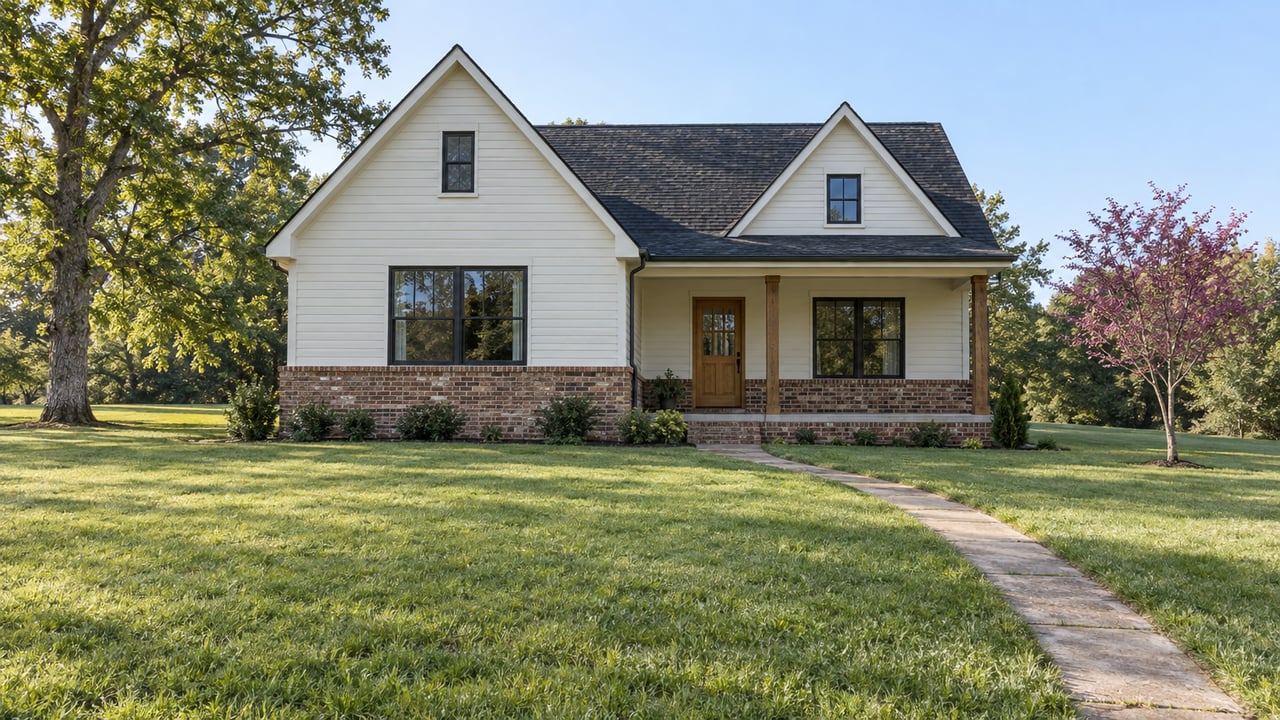
Walk through the active listings in Springville right now and you'll find a specific reason for that shift. D.R. Horton has been building out Wright Farms, a community with floor plans ranging from 1,497 to 2,511 square feet, each with granite countertops, stainless appliances, and a smart home technology package built in, along with a community pool. Archers Cove and Sweetwater, both developed through DHI Realty, follow the same playbook. Archers Cove's Freeport plan puts four bedrooms and two baths into 1,497 square feet on a single level, while its Penwell plan spreads a similar bedroom count across a two-story, 2,164 square foot layout with a chef-style kitchen island and a flexible room that works as a home office or formal dining space.
These are production homes, built at scale, and they're landing at price points that put more square footage in front of buyers for a given dollar amount than what the town's older in-town housing stock typically offered. When a meaningful share of a month's closings comes out of subdivisions like these, the average size of a sold home climbs, and the price-per-square-foot math softens even while the total price tag holds firm or rises.
That's not a sign the market is weakening. It's a sign the mix of what's selling has changed, and any buyer treating Springville's price-per-square-foot number as a stand-in for "value is dropping" is reading the data backward. In this case, falling cost per square foot means buyers are getting more house for their money, not less.
The Custom and Acreage End Keeps the Ceiling High
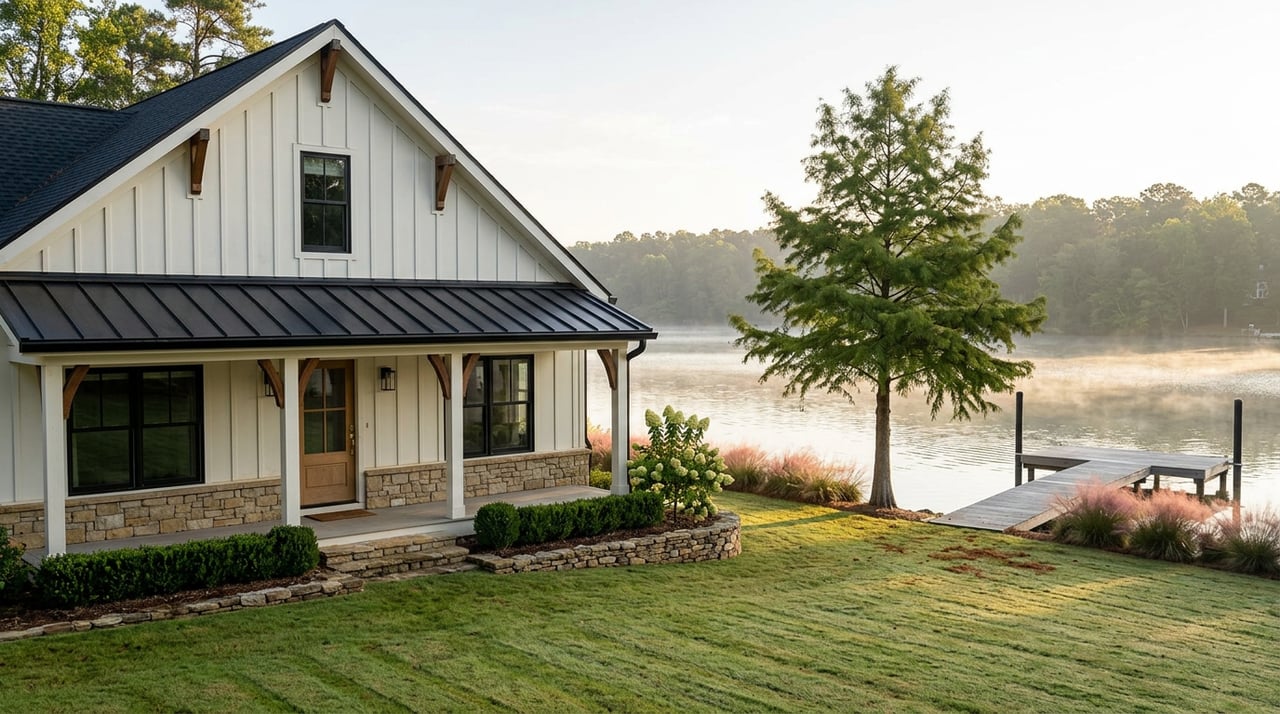
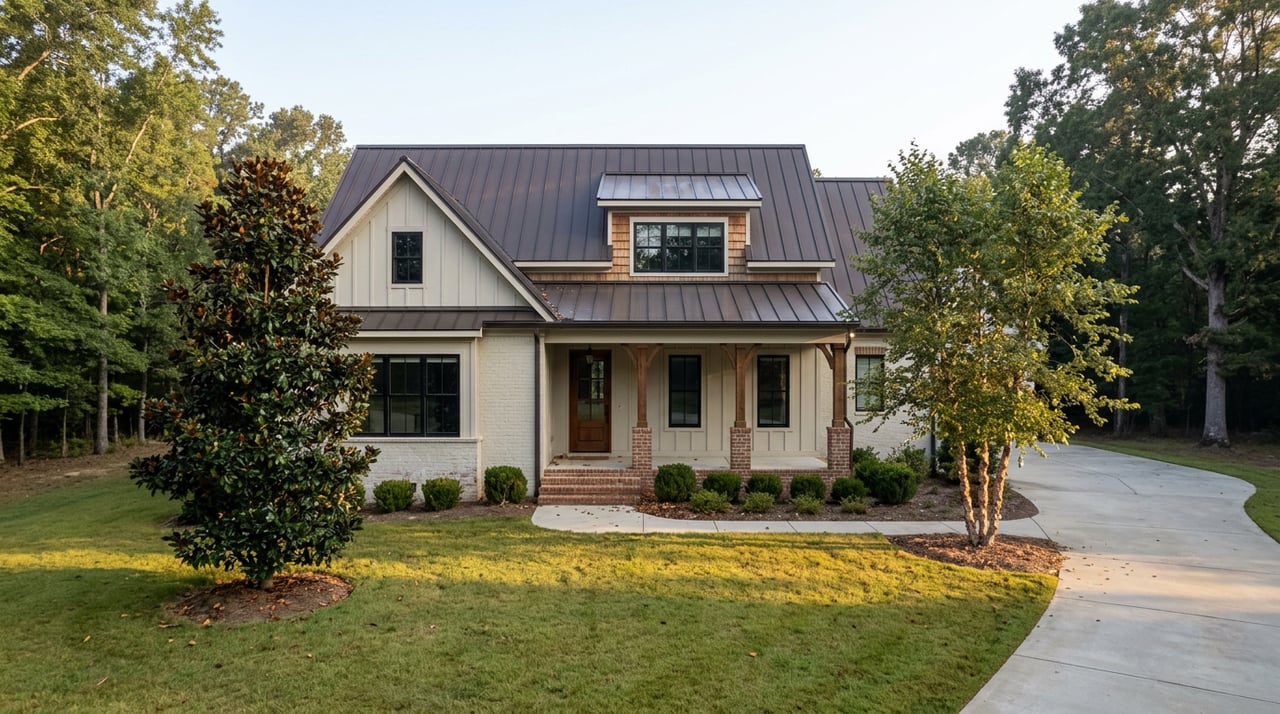
The other half of the story sits outside the production-builder subdivisions entirely. Listings in Big Ridge Estates include a home on roughly 3.7 acres, backing to 80 to 100 acres of undeveloped woodland, the kind of privacy that has nothing to do with square footage and everything to do with land. Village Trace offers brick homes on roughly three-quarter-acre lots with curb-and-gutter streets and a landscaped entrance. Legacy Springs adds a private fishing lake, swimming pool, and clubhouse to its list of draws. Twelve Oaks continues to add newer construction in a similar established-neighborhood style.
None of these properties are competing on price per square foot. Buyers choosing them are paying for acreage, tree cover, water access, or an amenity package, and those premiums are exactly what keep pulling the average and median dollar figures upward even as the production-home segment pushes the cost-per-square-foot number down. Springville's market isn't one curve. It's two curves stacked on top of each other, and the town-wide average is just where they happen to intersect.
Why Homes Are Sitting Longer
The same split shows up in how long homes take to sell. Springville listings were running 78 to 84 days on market as of Redfin's and Movoto's most recent updates, compared to a statewide Alabama median of 62 days as of May 2026. That gap isn't necessarily bad news for either segment. It's what happens when a market has two distinct buyer pools shopping at the same time.
A buyer looking at Wright Farms or Sweetwater has several nearly identical floor plans to compare within the same subdivision, which naturally slows decision-making since there's always another new-build option a street over. A buyer looking at Big Ridge Estates or Village Trace is shopping a much narrower field, since acreage and lake access aren't interchangeable the way two 2,164 square foot floor plans are. Average both groups together and you get a longer time-to-sale than either segment would produce on its own, not because Springville homes are struggling to sell, but because there's genuinely more to compare before making a decision.
Statewide, the broader Alabama market has stayed active through the first half of 2026, with the Alabama Association of REALTORS reporting home sales climbing to their highest level in nearly four years as of July 2026, the sixth straight month of increases. Springville's slower pace isn't a sign of a cooling town. It's a sign of a town where buyers currently have more to weigh before they commit.
What This Means If You're Comparing Springville to a Neighboring Town
If you're cross-shopping Springville against another St. Clair County community, the median list price alone won't tell you much. Two towns can post similar medians and deliver completely different square footage, lot sizes, and finish levels for that money. Price per square foot is the more honest comparison point, but even that number needs context. A falling price per square foot in a market adding new production subdivisions usually means buyers are getting more space for the dollar, not less, while the same falling number in a market with shrinking new construction could mean something closer to declining demand.
For sellers, the practical question is which segment your home is actually competing against. A home in an established neighborhood without acreage or lake access is likely being cross-shopped against new construction in Wright Farms, Archers Cove, or Sweetwater, where buyers can walk through a comparable floor plan built in 2024 or 2025 with a builder warranty attached. A home on acreage or with water access is competing in a much smaller field, and pricing it against production-home comps will undersell what it actually offers.
Springville's numbers aren't contradicting each other. They're describing a town where the entry point keeps getting more square footage for the money, and the top end keeps getting more land and amenities for the money, and the town-wide average is simply where those two stories meet on paper. Understanding which story your home or your search fits into matters more than any single median.
If you're weighing a move to Springville, comparing it against a neighboring town, or trying to figure out whether your existing home fits the production-builder comps or the acreage comps, that's exactly the kind of question worth working through before you list or make an offer. (Robert) Brian Camp has spent decades on both sides of this equation in East Alabama, as a broker and as a builder, and can walk through what your specific property or search actually looks like against the current mix. Let's Connect.